CR4 gardeners for Wimbledon Road and Figges Marsh properties
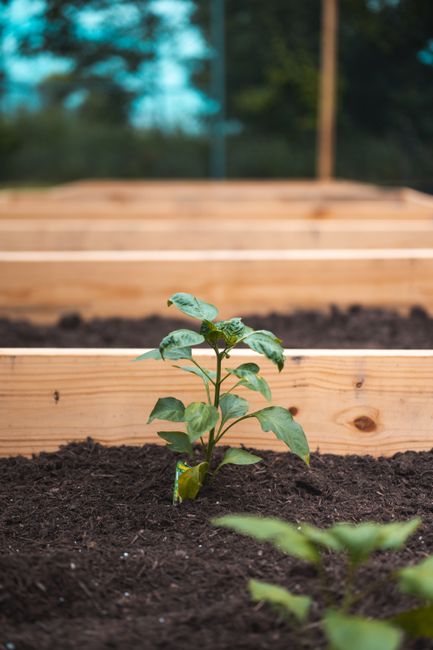
If you own a home near Wimbledon Road or around Figges Marsh, you already know the garden can shift from tidy to tangled faster than you'd like. One wet week, a few windy days, and suddenly the lawn is shaggy, the hedges look uneven, and the whole space feels harder to enjoy. That is exactly where CR4 gardeners for Wimbledon Road and Figges Marsh properties come in: practical, local garden care that keeps outdoor spaces manageable, attractive, and usable through the seasons.
This guide explains how local gardening support works, what to expect, which services tend to matter most, and how to choose the right approach for your property. Whether you need regular upkeep, a one-off reset, or a plan for improving a tired garden, the aim is simple: help you make good decisions without the guesswork.
To keep things easy to navigate, here's a quick map of what we'll cover.
- Why this matters locally
- How the service works
- Key benefits and practical advantages
- Who it is for and when it makes sense
- Step-by-step guidance
- Expert tips for better results
- Common mistakes to avoid
- Tools, resources and recommendations
- Law, compliance and best practice
- Options and comparison
- Real-world example
- Practical checklist
- Conclusion
- Frequently asked questions
Why CR4 gardeners for Wimbledon Road and Figges Marsh properties Matters
Gardens in this part of CR4 often face the same old mix of pressures: compact plots, boundary hedges, patchy shade, heavy foot traffic, and the usual London weather doing its thing. Truth be told, a lot of gardens do not need a dramatic makeover. They need steady, sensible care that stops small problems becoming expensive ones.
That matters for more than appearance. An overgrown hedge can block light. A lawn left too long can thin out and invite weeds. Borders packed with debris can hide drainage issues or pests. And if you are trying to sell, rent out, or simply enjoy the property, a neglected garden creates noise in the background that you keep noticing every time you step outside.
Local gardening support is useful because it fits real life. You may not need a grand landscape project. You may need somebody who understands how to keep things tidy around terrace homes, side returns, small front gardens, and family back gardens that never quite stay still. That is why services such as garden maintenance and lawn mowing are often the backbone of reliable garden care, while hedge trimming and garden clearance are the useful extras when things have got a bit away from you.
There is also a comfort factor. A garden should feel like a place you can step into with a cup of tea, not a task list. That sounds obvious, but it is easy to forget when the weekends fill up and the clippers stay in the shed. Small space, big difference.
Expert summary: For Wimbledon Road and Figges Marsh properties, the best gardening approach is usually not the most dramatic one. It is the one that balances regular maintenance, seasonal jobs, and practical improvements so your garden stays easy to live with.
How CR4 gardeners for Wimbledon Road and Figges Marsh properties Works
In practice, the process usually starts with a walk-through or a conversation about what the garden needs right now. That might sound obvious, but it is where most good decisions begin. A tidy lawn, for example, does not always need the same treatment as a lawn with bare patches, moss, and a spindly edge that has been ignored for months.
From there, the work is typically split into three layers:
- Immediate tidy-up - cutting back overgrowth, removing debris, and restoring basic order.
- Ongoing maintenance - mowing, edging, pruning, hedge care, and regular checks.
- Longer-term improvement - reshaping beds, improving layout, repairing tired areas, or planning landscaping changes.
That last part is where a lot of value hides, to be fair. Anyone can cut grass. The better question is: how do you stop the garden from sliding back into chaos two weeks later?
A thoughtful gardener will look at light, access, drainage, soil condition, and how you actually use the space. A family with children may want durable lawn areas and easy-to-clean boundaries. A homeowner with limited time may prefer low-maintenance planting and simple edging. Someone preparing a property for sale might prioritise presentation and clean lines. The right plan should match the household, not just the garden.
If the job includes bigger improvements, you may also see support from landscape gardening or broader landscaping work. Those services are useful when a garden needs more than maintenance and starts needing structure, flow, or a proper refresh. For hard-wearing outdoor features, decking services can also make sense where seating or access is part of the brief.
Key Benefits and Practical Advantages
There are plenty of reasons property owners choose local garden support, but the most convincing ones are pretty grounded.
- Better kerb appeal - a neat frontage changes how a property feels from the street, which is especially useful on busy residential roads.
- Less weekend catch-up work - regular maintenance reduces those all-day garden marathons that never seem to end well.
- Healthier plants and lawn areas - pruning at the right time, proper mowing, and clearing dead material all help a garden recover and grow more evenly.
- Safer, easier access - paths, steps, and side returns stay clearer when overgrowth is kept under control.
- More usable outdoor space - a tidy garden is simply easier to sit in, play in, or work in.
- Better long-term value - small maintenance habits usually cost less than a major catch-up after months of neglect.
One thing people often notice after a proper tidy-up is that the garden feels bigger. Not physically bigger, obviously, but visually. Removing clutter, cutting back hedges, and opening up corners can make a cramped space feel more breathable. That is a real win in urban areas where every metre counts.
And yes, there is a psychological lift too. A clean, orderly outdoor space tends to make the whole property feel more settled. You might not describe it in those words, but you feel it when you step outside in the morning and the place just looks cared for.
Who This Is For and When It Makes Sense
This kind of service suits more people than you might think. It is not only for homeowners with large gardens, and it is certainly not only for people who have let things go. In fact, the most common users are often the people trying to stay on top of things without turning every free hour into garden duty.
It makes sense if you are:
- keeping on top of a front or rear garden in a busy household
- getting a property ready for sale or new tenants
- dealing with a hedge that has become too high or too wide
- trying to recover a garden after months of weather damage or neglect
- wanting regular lawn care without buying equipment and storing it
- planning a redesign and needing a tidy, workable starting point
There are also some practical moments when it becomes the obvious next step. After winter, for example, gardens can look flat, damp, and slightly sorry for themselves. In late spring, growth can suddenly surge. By late summer, you may have a lawn that needs taming and shrubs that have taken liberties. Little jobs build up fast. Before you know it, the trimmer is out again.
If the garden is more of a blank slate than a functioning space, it may be worth looking at services overview information first so you can see how maintenance, clearance, landscaping, and pruning fit together. That can save a lot of back-and-forth later.
Step-by-Step Guidance
If you want the best results, the process should be straightforward and calmly planned. No drama. No guesswork.
- Assess the space honestly. Walk the garden and note what is actually bothering you. Is it the lawn, the hedge line, the mess, the layout, or all of it?
- Separate urgent jobs from improvement jobs. Clearing debris or making access safe usually comes before aesthetic work. That is just common sense, really.
- Choose the right mix of services. A neglected front garden might need mowing and hedge trimming. A jammed-up back garden might need clearance first, then maintenance.
- Set a realistic schedule. Some gardens need weekly or fortnightly visits; others can be managed seasonally. The right cadence depends on growth rates and how much you use the space.
- Focus on the weak points. Edges, corners, and boundary lines are where untidiness shows first. Tidy those, and the whole garden usually improves quickly.
- Review the result after a few weeks. If the garden immediately rebounds into overgrowth, the plan needs adjusting. That is not a failure; it is information.
A sensible gardener will help you refine the plan rather than pushing a one-size-fits-all routine. That is important. A garden that gets plenty of shade and moisture behaves very differently from one that bakes in afternoon sun and dries out quickly.
For jobs involving thick growth, brambles, or leftover waste, a proper garden clearance can be the best starting point. Once the space is open again, maintenance becomes much easier and, frankly, less annoying.
Expert Tips for Better Results
Here are the small things that make a decent garden service feel like a good one.
- Be clear about your priority. If you want the front garden to look smart for visitors but the back garden only needs to be manageable, say so.
- Ask what will be cut, shaped, removed, or left alone. That avoids the classic "I thought you meant that shrub" moment. Happens more than people admit.
- Think seasonally. Hedge work, mowing, and clearing all behave differently across the year, so timing matters.
- Keep a light maintenance rhythm. Small, regular jobs are easier than heroic catch-up sessions after eight weeks of rain and neglect.
- Protect the parts of the garden you like. Maybe it is a climbing plant, a small tree, or a patch of perennial colour. Good garden care should preserve what is worth keeping.
A useful local habit is to check the garden after a storm or heavy rain. You will often spot what has shifted, broken, or started to lean before it becomes a bigger issue. A branch rubbing against a fence, for example, may seem minor until it gets worse. A quick look now can save a nuisance later.
And if your garden has a lot of vertical growth, regular hedge trimming is one of the easiest ways to keep the whole property looking sharper. It frames the space. Little bit of rhythm, little bit of discipline.
Common Mistakes to Avoid
The biggest mistake is waiting too long. It sounds simple, but it is the one that causes most of the frustration. Once a garden has become heavily overgrown, even simple jobs take longer and cost more effort.
Other common mistakes include:
- Cutting too much at once. Hard pruning or severe trimming can stress plants if it is done without care.
- Ignoring the lawn edges. A neat lawn with messy borders still looks unfinished.
- Leaving waste behind. Piles of clippings, branches, and cuttings make the garden feel half-done.
- Choosing appearance over practicality. A stunning layout that is impossible to maintain is not a great long-term plan for most households.
- Skipping the assessment stage. If you do not understand the garden's problems, you can end up treating the symptoms rather than the cause.
Another one, and this is a quiet trap, is trying to do everything in one go just because the weather looks decent. You know the feeling: a bright Saturday, a quick cup of tea, then suddenly you're three hours in, muddy gloves, nowhere near finished. Funny in hindsight. Less funny mid-afternoon.
It is usually better to approach the garden in stages. Clear, cut, shape, then maintain. That sequence tends to produce cleaner, calmer results.
Tools, Resources and Recommendations
Good garden work depends on the right tools, but not in some overcomplicated way. You do not need a van full of gadgets. You need the right equipment for the job and a sensible plan for using it.
For routine maintenance, the essentials usually include:
- mowers suited to the size and condition of the lawn
- secateurs and loppers for precise trimming
- hedge cutters for boundary shaping
- rakes, brushes, and collection tools for clearance
- safe waste handling and transport for cuttings and debris
If the garden is being reset, it can also help to think about surfaces and structure. A smart border, a usable path, or a simple deck area can change how the space works day to day. For example, a small seating area beside the kitchen doors can make the garden far more inviting, even if the rest of the plot is kept intentionally simple.
For homeowners who want a broader view, the company's pricing and quotes page can be a helpful place to understand how work is usually scoped. That is especially useful when comparing a one-off tidy-up with ongoing maintenance. Different jobs, different expectations.
It is also worth paying attention to sustainability. Reusing clippings where appropriate, separating waste sensibly, and avoiding needless disposal can make the work tidier and more responsible overall. If that matters to you, the recycling and sustainability page is a good place to start.
Law, Compliance, Standards, or Best Practice
For most homeowners, the compliance side of gardening is about sensible practice rather than complicated rules. Still, there are a few things worth handling carefully.
First, any work involving ladders, power tools, heavy waste, or tree-related tasks should be approached with proper safety awareness. A tidy hedge is great. A risky hedge job is not. If the work is at height, near fences, or close to neighbouring property, the margin for error gets smaller fast.
Second, tree work needs extra judgement. Cutting back small branches is one thing; dealing with larger limbs, unstable growth, or removal work is another. That is where tree lopping and removal becomes relevant, and where careful handling matters more than speed.
Third, reputable providers should be able to explain how they manage insurance, safety, waste, and customer handling. That does not mean every job needs a thick folder of paperwork, but it should mean the basics are in place. If you want to check how a provider approaches risk and responsibility, insurance and safety and health and safety policy information should be easy to understand.
Best practice also includes being upfront about expectations: what is included, what is not, how access will work, and how waste will be handled. That sort of clarity saves everyone time. And it just feels better, doesn't it?
Options, Methods, or Comparison Table
Different gardens need different approaches. Some need regular upkeep. Some need a hard reset. Some need both, in sequence. Here is a practical comparison to help you decide.
| Approach | Best for | Strengths | Watch-outs |
|---|---|---|---|
| Regular maintenance | Gardens already in decent shape | Keeps growth under control, usually easier to budget for, preserves a tidy look | Won't solve deep overgrowth or structural issues on its own |
| One-off clearance | Overgrown or cluttered gardens | Fast visual improvement, clears access, creates a fresh starting point | Can slide back without follow-up care |
| Landscape gardening | Gardens needing layout changes or long-term improvement | Improves usability, flow, and appearance over time | Usually takes more planning and may involve phased work |
| Combined approach | Most busy household gardens | Balances immediate results with ongoing control | Needs clear priorities so the job does not drift |
In many CR4 properties, the combined approach is the sweet spot. It gives you a visible win straight away, then steadies the garden so it stays workable. Nothing flashy. Just effective.
Case Study or Real-World Example
Imagine a typical Wimbledon Road back garden: medium-sized, a bit shaded, with a lawn that has thinned out at the edges and a hedge line that has crept outward over the summer. The owner has been keeping on top of bins, windows, and the house itself, but the garden has quietly slipped down the list.
At first glance, the space looks worse than it really is. There is no dramatic damage, no major rebuild needed. The problem is accumulation. A few months of faster-than-expected growth, some leaf build-up, a couple of corners where cuttings were never fully cleared, and now the garden feels smaller and harder to use.
A sensible response would be:
- clear away loose debris and dead material
- trim the hedge to restore a clean boundary line
- mow and edge the lawn
- check for drainage trouble or shaded areas that may need different treatment
- set a maintenance rhythm so it does not regress
What changes most is not just the look. It is the feeling. The garden becomes open again, the smell of cut grass comes back, and you can actually see the shape of the space instead of just the tasks. Small thing, maybe. But it changes how you use the property.
That is the value of working with local gardeners who understand the difference between a quick tidy and a proper recovery plan. One clears the mess. The other helps the space stay useful.
Practical Checklist
Use this checklist before booking work for your garden.
- Identify your main issue: lawn, hedge, clearance, layout, or a mix
- Decide whether you need one-off work or ongoing maintenance
- Walk the garden and note access points, narrow spaces, and obstacles
- Flag any delicate plants, features, or areas you want protected
- Ask how waste will be removed or managed
- Confirm whether the job includes edging, pruning, and final tidy-up
- Ask about safety approach for heights, tools, and awkward access
- Check whether future visits would make the space easier to manage
- Think about improvements that could reduce work next season
- Keep a simple record of what was done so you can plan ahead
If you want to know more about the organisation behind the service, the about us page is useful for understanding the approach and values behind the work. That kind of context can matter more than people expect.
Conclusion
CR4 gardeners for Wimbledon Road and Figges Marsh properties are not just about making things look tidy for an afternoon. Done well, they help you regain control of the space, protect what is already growing, and turn the garden into somewhere you can genuinely use again. Whether you need mowing, hedge trimming, clearance, or a longer-term plan, the best result comes from choosing the right level of care at the right time.
The main thing is not to wait until the garden becomes a burden. Start where you are, be honest about the workload, and focus on steady progress. A garden rarely needs perfection. It needs attention, timing, and a bit of follow-through. That is often enough.
Get a free quote today and see how much you can save.
And if you are comparing providers, it is worth looking for clear communication, sensible planning, and a calm, practical approach. Gardens respond well to that. People do too.
Frequently Asked Questions
What do CR4 gardeners for Wimbledon Road and Figges Marsh properties usually help with?
They typically help with mowing, hedge trimming, weeding, clearance, pruning, maintenance, and sometimes larger garden improvement work. The exact mix depends on the property and what the garden needs most.
Do I need regular garden maintenance or a one-off visit?
If the garden is already in decent shape, regular maintenance is usually the smarter choice. If it has become overgrown, cluttered, or difficult to use, a one-off clearance first makes more sense.
How often should a lawn be cut?
That depends on the season, grass type, and how quickly it grows. In peak growing periods, lawns often need more frequent attention; in slower periods, less. A local gardener can set a schedule that fits your garden instead of guessing.
Can a small garden still benefit from professional help?
Absolutely. Small gardens often benefit even more because every bit of space matters. Tidy edges, correct pruning, and a clean layout can make a compact garden feel much more usable.
What is the difference between garden clearance and garden maintenance?
Clearance is usually about removing overgrowth, waste, and accumulated debris. Maintenance is the ongoing care that keeps the garden from sliding back into that state again.
Is hedge trimming safe to do myself?
Simple low-level trimming may be manageable for some homeowners, but taller hedges, awkward access, or heavy growth can be risky. If ladders, tools, or neighbouring boundaries are involved, it is usually wiser to get help.
When is the best time to tidy up a neglected garden?
There is rarely a perfect moment, but early action is usually best. Once growth is underway and the weather is workable, a tidy-up can make a big difference. If you wait too long, the job only gets heavier.
Will garden work create a lot of waste?
It can, especially after a clearance or seasonal cutback. Good planning matters here because branches, clippings, and debris should be managed properly rather than left in piles.
What should I ask before booking a gardener?
Ask what is included, how waste is handled, what safety measures are used, and whether the work is a one-off or part of a longer maintenance plan. Clear answers usually tell you a lot.
Can landscaping help if my garden looks tired but not overgrown?
Yes. If the space is tidy but still awkward, dated, or underused, landscaping can improve the layout, flow, and overall feel without starting from scratch.
Do gardeners handle tree-related work too?
Some do, especially where branches, shaping, or removals are involved. For anything more substantial, it is sensible to ask specifically about tree lopping and removal so you know the right approach is being used.
How do I know if a gardener is trustworthy?
Look for clear communication, sensible explanations, and information about safety, insurance, and how the work will be carried out. Trust is usually built in the small details, not just the price.